
December 22, 2025
Getting injured at your apartment complex puts you in a frustrating position. You’re hurt, you’ve got medical bills stacking up, and you’re probably wondering who’s responsible for what happened. Apartment complexes are different from other premises liability cases I handle. No single property owner is standing at the front door. You’ve got landlords, property management companies, maintenance contractors, and sometimes multiple entities all claiming they weren’t responsible for the hazard that injured you.
Who Owes You A Duty Of Care
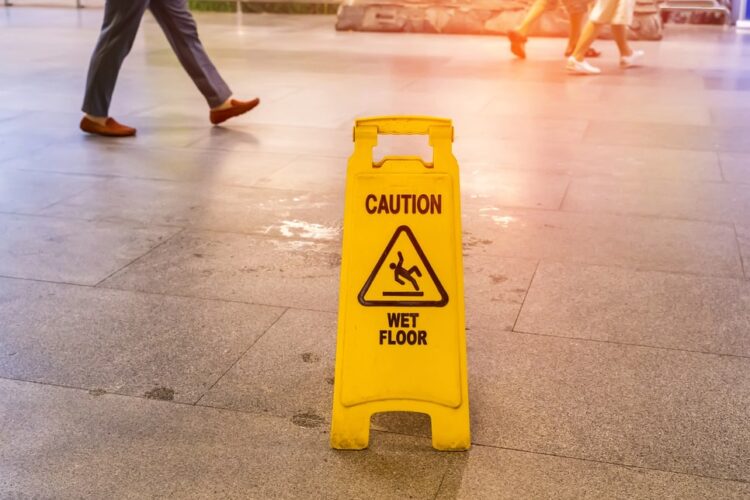
Florida law says property owners and managers have to maintain reasonably safe conditions. That’s the baseline. At apartment complexes, this responsibility typically falls on the landlord or the property management company, sometimes both, but what really matters in your case is whether they knew about the dangerous condition. Or whether they should have known about it. If there’s a broken step that’s been reported three times and nobody fixed it, that’s negligence. If there’s a puddle in the lobby that’s been there for hours with no warning sign, that’s negligence too. Landlords are supposed to inspect and maintain certain areas:
- Stairways and railings
- Parking lots and the walkways between buildings
- Swimming pools, fitness centers, playgrounds
- Elevators and the hallways everyone uses
- Lighting in shared spaces
When they don’t, and someone gets hurt because of it, they’re liable for what happens next.
The Location Of Your Accident Changes Everything
I always ask clients where exactly they fell or got injured. Common areas are straightforward. Lobbies, laundry rooms, pool decks, parking lots. The landlord has a clear responsibility for maintaining those spaces because everyone has access to them. A Melbourne Slip And Fall Lawyer can look at the specific location and tell you pretty quickly who should be held accountable. Inside your actual unit? That gets complicated. Landlords have to fix structural problems, plumbing that doesn’t work, and things that make the place unlivable. But you also have some responsibility as a tenant. If you told your landlord about a broken railing on your balcony and they ignored you for six months, then yes, they’re liable. That written complaint you sent becomes one of the most important pieces of evidence in your case.
Proving Negligence Isn’t Complicated But It Requires Evidence
Florida premises liability law asks four questions: Did the landlord owe you a duty of care? Did they breach that duty? Did their breach cause your injury? Did you suffer actual damages?
You answer those questions with documentation. Photos of the hazard right after you fell. Written reports to management about the incident. Copies of every email, every maintenance request, every complaint you or other tenants filed about that same problem. Your medical records have to show a direct connection between the accident and your injuries. And if other residents noticed the same dangerous condition, their statements carry weight. I’ve had cases where five different tenants reported the same broken step over several months. That pattern shows the landlord knew and did nothing.
Other Parties Can Be Liable Too
Sometimes it’s not just the landlord. Maybe a contractor came in to do repairs and left the area unsafe. Maybe the cleaning company mopped the floor and didn’t put up wet floor signs. Maybe another tenant’s negligence caused your injury.
Each of those scenarios opens up additional claims against different parties. Security cases are their own category. Tuttle Larsen, P.A. has handled situations where clients were assaulted on apartment property because security measures were inadequate or nonexistent. If there’s a history of crime in the complex and the landlord hasn’t addressed it with proper lighting, security cameras, or patrols, they can be held responsible for what happens to residents and guests.
You’ve Got Four Years, But Don’t Wait That Long
Florida’s statute of limitations gives you four years to file a lawsuit from the date of your injury. That sounds like forever, but it isn’t. Evidence disappears. Surveillance footage gets recorded over. Witnesses move away or forget details. The property fixes the hazard, and suddenly you can’t prove it was dangerous in the first place. I’ve seen too many good cases fall apart because someone waited two or three years to call an attorney.
What You Should Do Next
Apartment complex injuries affect more than just your physical health. You’re dealing with medical expenses, missed work, lost income, and pain that interferes with your normal life. Understanding your rights under Florida law helps you make better decisions about whether to pursue compensation. A Melbourne Slip And Fall Lawyer can sit down with you, go through exactly what happened, figure out who’s liable, and build a claim that holds the responsible parties accountable. You have legal options here, and negligent landlords shouldn’t get away with ignoring their responsibilities while you’re left dealing with the consequences. Contact us today.
