

March 16, 2026
What Uber Insurance Actually Covers
Most people assume that if they’re hurt in an Uber accident, the company’s insurance kicks in automatically. The reality is more layered than that. Uber uses a tiered insurance structure, and which tier applies at the moment of your crash determines how much coverage is actually available to you. Understanding those tiers is the first step in knowing what you’re dealing with.
The Three Coverage Periods
Uber divides driver activity into three distinct periods, each carrying different insurance levels.
Period 1 begins when the driver logs into the app but has not yet accepted a ride request. During this window, Uber provides limited liability coverage:
- $50,000 per person for bodily injury
- $100,000 per accident for bodily injury
- $25,000 for property damage
Period 2 starts when the driver accepts a trip and is on the way to pick up a passenger. At this point, Uber’s $1 million liability policy becomes active.
Period 3 covers the time from when a passenger enters the vehicle until they are dropped off. The $1 million policy remains in effect throughout the entire ride.
If the driver was not logged into the app at the time of the crash, Uber’s insurance does not apply at all. Only the driver’s personal auto insurance would be relevant in that scenario.
Why the Gap in Period 1 Matters
Period 1 is where many accident victims run into problems. The coverage is significantly lower, and the driver’s personal insurance may refuse to cover an accident that occurred while the driver was actively working. Some personal auto policies exclude commercial use entirely.
This gap can leave injured people with far less compensation than they expected. Florida law does require rideshare companies to maintain certain minimum coverage levels, but those minimums may not reflect the true cost of serious injuries.
What This Means for Your Claim
The timing of the crash matters a great deal in a rideshare injury case. Whether the driver had the app open, had accepted a ride, or was completely offline at the moment of impact will shape every part of your claim, from which insurer you’re dealing with to how much compensation may be available. A Melbourne Uber accident lawyer can review the driver’s app activity logs, which are often obtainable through litigation or pre-suit discovery, to determine exactly which coverage period applies in your case.
There is also the question of underinsured motorist coverage. If Uber’s policy does not fully compensate for your losses, your own uninsured or underinsured motorist coverage may provide an additional layer of protection depending on your policy terms.
Other Parties That May Be Liable
Uber accidents are not always the fault of the rideshare driver. Other motorists, road conditions, and even vehicle defects can contribute to a crash. In those situations, multiple insurance policies may be in play at the same time, and figuring out how they interact takes careful legal analysis. At Tuttle Larsen, P.A., we handle every aspect of the claims process so that injured clients are not left trying to untangle insurance coverage on their own while recovering from serious injuries.
If you or someone you care about was hurt in a rideshare crash in the Melbourne area, connecting with a Melbourne Uber accident lawyer is the right next step. The sooner you have legal support in your corner, the better position you are in to protect your rights and pursue the full compensation you may be entitled to receive.

March 2, 2026
Pedestrian Critically Hurt In Indialantic
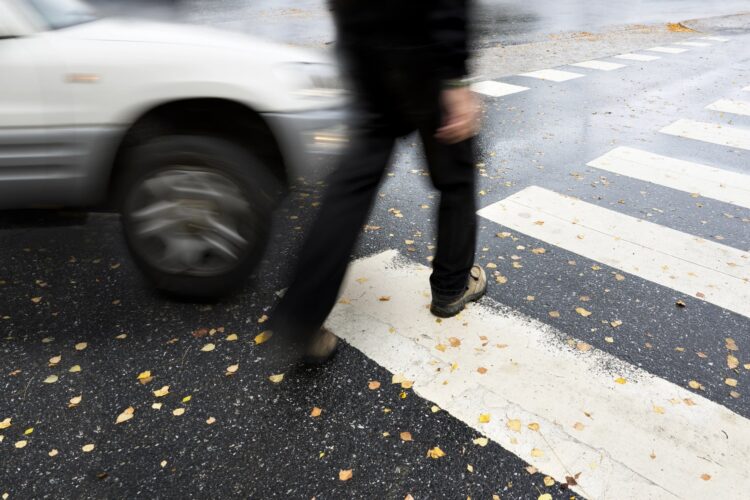
A serious morning crash in Indialantic has renewed concerns about pedestrian safety along the busy A1A corridor—incidents that often require the guidance of our Melbourne, FL pedestrian accident lawyer. At approximately 7:53 a.m. on Tuesday, July 15, 2025, the Indialantic Police Department and local fire rescue units responded to a vehicle-versus-pedestrian collision at the intersection of South Miramar Avenue (A1A) and 14th Avenue.
According to authorities, 69-year-old Timothy Hunt of Indialantic was crossing South Miramar Avenue in a marked crosswalk when he was struck by a 2009 Toyota minivan. Reports indicate the crosswalk’s Rectangular Rapid Flashing Beacons (RRFB) were activated at the time of the crash. When officers arrived on the scene, Hunt was breathing but unresponsive. He sustained serious head injuries and was transported to an area hospital in critical condition.
The minivan was driven by a 78-year-old man from Dunlap, Tennessee. South Miramar Avenue (A1A) remained closed for more than three hours while investigators processed the scene. The Melbourne Beach Police Department assisted with traffic detours between 13th Avenue and Melbourne Avenue. Authorities continue to investigate the incident and have asked anyone with additional information to contact Detective Zachary Pohl with the Indialantic Police Department.
Accidents involving pedestrians in marked crosswalks are especially alarming because these areas are specifically designed to enhance visibility and safety. When flashing beacons are activated and a pedestrian is still struck, it raises serious questions about driver awareness, roadway conditions, and potential liability.
Legal Options After A Pedestrian Accident
When someone is hit while using a marked crosswalk, Florida law may allow the injured person to pursue compensation for medical bills, lost income, rehabilitation costs, and pain and suffering. Working with our pedestrian injury lawyers can help victims and families understand their rights during a difficult time.
In many cases, liability depends on whether the driver failed to yield, was distracted, or was traveling at an unsafe speed. Even when flashing signals are present, motorists have a legal duty to remain attentive and cautious. A thorough investigation by our crosswalk accident lawyers often includes reviewing traffic camera footage, analyzing crash reports, interviewing witnesses, and evaluating roadway design. Consulting our Melbourne pedestrian accident attorneys early can help preserve critical evidence and protect your claim.
Florida’s no-fault insurance system can create confusion about who pays for medical expenses initially and when a victim may step outside the no-fault system to pursue a personal injury claim. Our traffic injury lawyers evaluate whether injuries meet Florida’s serious injury threshold and whether additional compensation may be available.
At Tuttle Larsen, P.A., we understand how devastating pedestrian accidents can be for victims and their families. Serious head injuries often require extensive treatment, long-term therapy, and ongoing medical care. Our attorneys work diligently to evaluate every aspect of the case and pursue full and fair compensation on behalf of injured clients.
If you or a loved one has been injured in a crosswalk or roadway collision, do not wait to seek legal guidance. We have been peer-rated for the highest level of professional excellence by Martindale-Hubbell, a recognition we hold with pride. Since 1992, we’ve been helping victims of accidents seek compensation for their injuries. If you’re ready to file a claim and pursue damages that are owed to you, contact Tuttle Larsen, P.A. today to schedule a consultation with our experienced Melbourne pedestrian accident lawyers. We can help you understand your options and take meaningful steps toward recovery.

February 23, 2026
Do You Need A Lawyer For A Minor Crash?
Not every accident involves a totaled car or a trip to the emergency room. But minor fender benders in Florida come with their own set of legal wrinkles, and brushing them off too quickly can cost you later. Below are some of the most common questions people have after a smaller collision.
Is Florida A No-Fault State, And What Does That Mean For Me
Yes. Florida operates under a no-fault insurance system, which means your own Personal Injury Protection (PIP) coverage pays for your medical expenses and lost wages after an accident, regardless of who caused it. Under Florida Statute 627.736, drivers are required to carry at least $10,000 in PIP coverage. That sounds straightforward, but insurance companies still find ways to dispute claims, delay payments, or argue that your injuries are not covered. Even in a minor accident, the process is rarely as simple as filing and waiting.
Do Minor Accidents Still Require A Police Report In Florida
Florida law requires you to report any accident involving injury, death, or property damage of $500 or more. Even in a low-speed collision, damage can easily exceed that threshold. Filing a report creates an official record, which matters if the other driver later disputes what happened or if your injuries turn out to be more significant than they first appeared. Do not assume a small crash does not need documentation.
Can Injuries From A Minor Accident Still Be Serious
Absolutely. Whiplash, soft tissue injuries, and concussions do not always show up immediately. Some symptoms take days or even weeks to surface. If you settle with an insurance company before you fully understand the extent of your injuries, you may walk away with far less than you actually need to cover treatment. Common injuries that are easy to underestimate after a minor crash include:
- Neck and back strain
- Herniated or bulging discs
- Headaches and dizziness are linked to a concussion
- Shoulder and wrist injuries from bracing during impact
- Psychological effects like anxiety or difficulty driving
Seeing a doctor after any accident, no matter how minor it seems, is one of the most important steps you can take.
When Does A Lawyer Actually Make A Difference After A Small Accident
A Port St. Lucie car accident lawyer can make a real difference in several situations that might not seem obvious at first. If the other driver disputes fault, if your PIP coverage runs out before your treatment ends, or if an insurer is delaying or underpaying your claim, having legal representation changes how those conversations go. Insurance adjusters work to protect the company’s bottom line. That is simply the nature of their job. A lawyer looks at the full picture, including future medical costs, lost earnings, and non-economic damages, and advocates for what the claim is actually worth.
What If I Already Accepted A Settlement
Once you sign a settlement agreement, you typically waive your right to seek additional compensation, even if new injuries or costs come up later. This is one of the biggest mistakes people make after minor accidents. Settling quickly feels like closure, but it can leave real financial exposure on the table. Before signing anything from an insurance company, it is worth having an attorney review the terms. At Tuttle Larsen, P.A., we work with accident victims across Florida who were not sure whether their situation warrants legal help.
What Should I Do Right After A Minor Accident In Florida
The steps you take in the hours and days following a crash matter more than most people realize:
- Call the police and file a report
- Seek medical attention, even if you feel fine
- Photograph the scene, all vehicles, and any visible injuries
- Collect contact and insurance information from the other driver
- Avoid making recorded statements to any insurance adjuster without legal advice
A Port St. Lucie car accident lawyer on our team can review what happened, explain your options under Florida law, and help you make an informed decision before any deadlines pass. Contact us today to get started.


February 16, 2026
What Florida’s Insurance Shift Means For You
In October 2025, Governor Ron DeSantis made headlines across Florida by announcing that Progressive Insurance would return nearly $1 billion to the company’s 2.7 million Florida auto policyholders. The announcement came as a direct result of the state’s tort and insurance reforms, which have steadily reduced litigation and improved market conditions over the past several years. For anyone who drives in Florida, including those who have worked with a Sebastian car accident lawyer after a crash, this news has real implications worth understanding. The refund stems from Florida law, which prohibits auto insurers from collecting excess profits beyond a defined threshold calculated across three consecutive accident years. As the market improved, Progressive’s underwriting gains exceeded what the statute allows, triggering the obligation to return funds to policyholders. The state’s Office of Insurance Regulation also signaled that other major insurers may be approaching the same threshold, meaning additional refunds could follow.
The broader numbers back up the announcement. Florida’s top five auto insurance groups averaged a 6.5% rate reduction in 2025, a sharp reversal from the 31.7% average rate increase drivers absorbed in 2023. Insurance litigation filings fell 23% year-over-year from 2023 to 2024 and have continued declining every month of 2025. The state’s personal auto liability loss ratio dropped to 53.3% in 2024, the lowest in the nation, according to the Florida Office of Insurance Regulation. By nearly every market metric, Florida’s auto insurance environment is in better shape than it has been in years. That is genuinely good news for drivers. But it raises a fair question: Does a healthier insurance market mean accident victims are treated more fairly when they actually file a claim after a crash? Not necessarily.
How Florida’s Insurance System Actually Works
Florida operates under a no-fault insurance system. After a car accident, you first file a claim with your own insurance company through your Personal Injury Protection coverage, regardless of who caused the crash. Under Florida Statute 627.736, every driver is required to carry at least $10,000 in PIP coverage. That coverage pays 80% of your medical expenses and 60% of lost wages up to the policy limit. It sounds straightforward, but conditions can complicate your claim quickly. One of the most important: you must seek medical treatment within 14 days of the accident. Miss that window and your insurer can deny your PIP benefits entirely, even if your injuries are real and documented.
What Insurance Companies Do With Your Claim
Even in a market with improved loss ratios and reduced litigation, insurance companies are still businesses. Their adjusters are trained to evaluate claims in ways that minimize payouts. That does not make them villains, but it does mean their interests and yours are not aligned. Here is what typically happens after you file:
- An adjuster reviews your medical records and the accident report
- They may request a recorded statement, which can be used to limit your claim
- They assess whether your injuries meet Florida’s “serious injury” threshold for additional compensation beyond PIP
- They calculate an initial settlement offer, which is often lower than the full value of your claim
- They may dispute whether certain treatments were necessary or related to the accident
If your injuries are significant, permanent, or result in long-term disability, Florida law allows you to step outside the no-fault system and pursue a claim directly against the at-fault driver. The 2023 tort reforms reduced the statute of limitations for personal injury claims from four years to two years and changed how attorney fees work in these cases. Those changes affect how claims are valued and how quickly you need to act.
Why Lower Litigation Rates Are Not The Full Story
The drop in insurance litigation is real, and the market data supports it. But lower litigation does not mean injured drivers are getting better settlements. In many cases, it reflects that the reforms made it harder to challenge insurers in court, not that insurers are being more generous. If you settle too quickly, before you fully understand your injuries or what your claim is worth, you give up the right to seek additional compensation later. That signed release is binding, even if your condition worsens.
Protecting Your Rights After A Florida Crash
A stabilizing insurance market benefits drivers broadly. But it does not change how individual claims are handled when you are the one sitting across from an adjuster. Know your deadlines. Get medical treatment promptly. Be cautious about recorded statements. And before signing anything from an insurance company, make sure you understand what you are agreeing to. At Tuttle Larsen, P.A., we represent accident victims throughout Florida who are dealing with insurers on their own and are not sure whether they are being treated fairly. If you were hurt in a crash and want a clear picture of what your claim is actually worth, reach out to our team today.

February 9, 2026
What To Do After A Car Accident In Vero Beach
The moments after a car accident are disorienting. Even a minor collision can leave you shaken, unsure of what to say, what to do, or who to call. The steps you take in the aftermath matter more than most people realize. They can affect your health, your insurance claim, and your ability to recover compensation down the road.
Your First Priority Is Safety
Before anything else, check yourself and your passengers for injuries. If anyone is hurt, call 911 immediately. Do not try to move someone who may have a spinal or neck injury unless there is an immediate danger, such as a vehicle fire. If the vehicles are drivable and blocking traffic, move them to the shoulder when it is safe to do so. Turn on your hazard lights and stay out of the flow of traffic while you wait for help to arrive.
What To Do At The Scene
Once you have addressed immediate safety concerns, the next steps are about documentation and information gathering. This is where many accident victims fall short, often through no fault of their own. Here is what you should do while still at the scene:
- Call the police and wait for a report to be filed, even if the other driver suggests skipping it
- Exchange contact, insurance, and license plate information with all drivers involved
- Take photos of all vehicles, the surrounding area, road conditions, traffic signs, and any visible injuries
- Get contact information from witnesses before they leave
- Avoid admitting fault or making statements about how the accident happened
That last point is worth emphasizing. Statements made at the scene, even casual ones like “I didn’t see you,” can be used against you later.
Seek Medical Attention Promptly
Even if you feel fine, getting a medical evaluation within 24 hours of the accident is a smart move. Some injuries, including whiplash, soft tissue damage, and concussions, do not show symptoms right away. A delay in treatment can also give an insurance company reason to argue that your injuries were not caused by the crash. Florida operates under a no-fault insurance system, which means your own personal injury protection (PIP) coverage is typically the first source of payment for medical expenses. Under Florida Statutes Section 627.736, you generally must seek initial medical treatment within 14 days of the accident to preserve your PIP benefits.
Reporting The Accident
Florida law requires you to report any accident involving injury, death, or property damage exceeding a certain threshold. The responding officer will typically file a crash report, but you can also access Florida crash reports through the Florida Department of Highway Safety and Motor Vehicles. Notify your own insurance company about the accident as well. Be factual and straightforward, but do not provide a recorded statement to the other driver’s insurance company without first speaking to an attorney. At Tuttle Larsen, P.A., we work with accident victims throughout the Vero Beach area who are trying to recover physically and financially after a crash.
When To Talk To An Attorney
If you were injured, if there is a dispute about fault, or if the other driver was uninsured or underinsured, getting legal guidance early makes a real difference. Insurance companies move quickly after accidents, and they have their own interests in mind when evaluating claims. A Vero Beach car accident lawyer can review the circumstances of your accident, handle communications with the insurance companies on your behalf, and help you understand what your claim may actually be worth.
Protecting Your Right To Compensation
Florida’s statute of limitations for personal injury claims has changed in recent years, which means waiting too long to act can eliminate your legal options entirely. The sooner you start building your case, the better positioned you will be. A Vero Beach car accident lawyer on our team can walk you through your options, answer your questions, and help you take the right steps forward. Contact our office today to discuss what happened and get the guidance you need.

February 2, 2026
Vero Beach’s Most Dangerous Intersections
Not every stretch of road in Vero Beach carries the same risk. While the area has a lot going for it, certain intersections and corridors consistently appear in crash reports, and understanding why can help drivers stay safer and better prepared. If you have already been involved in a crash at one of these locations, understanding the legal landscape can be just as important as knowing where the danger lies. At Tuttle Larsen, P.A., we represent people across the Treasure Coast who have been hurt in intersection accidents and other serious crashes.
Why Intersections Are So Risky In Florida
Intersections concentrate risk in ways that straight stretches of road simply do not. Multiple vehicles traveling at different speeds, turning movements, pedestrian crossings, and signal timing all collide in the same small space. According to the Florida Department of Transportation, intersection crashes are among the most likely to result in T-bone impacts, rear-end collisions, and multi-vehicle pileups, making them disproportionately dangerous relative to other roadway types. Vero Beach recorded over 800 crashes in a single year, and the city’s crash rate is significantly higher than the Florida state average on a per-capita basis. That number reflects a real problem, not just unlucky drivers. Insurance companies move quickly after accidents, and the statements you give in the early hours can directly affect your claim. Speaking with a Vero Beach car accident lawyer before making any recorded statements is worth serious consideration.
High-Risk Areas In Vero Beach
US-1 Corridor
US-1 is one of Florida’s most dangerous roads statewide, and its stretch through Vero Beach is no exception. The corridor runs through high-traffic commercial zones, blends local and through traffic, and has multiple access points that create frequent conflict. The intersection of US-1 and Airport Groves Road is particularly problematic, with poor visibility, heavy traffic volume, and confusing signal patterns near the Vero Beach Regional Airport.
State Road 60 And US-1
The intersection of State Road 60 and US-1 ranks among the busiest in Indian River County. SR-60 itself has a long history as an accident-prone corridor, and the point where it meets US-1 brings together high-speed traffic from multiple directions. Turning movements are frequent, reaction time is short, and the consequences of a miscalculation are serious.
8th Street And State Road 60
This intersection has drawn attention because of SR-60’s elevated speed limits and the complicated layout where local traffic attempts to merge with faster-moving vehicles. Side-impact crashes and rear-end collisions are common here.
Indian River Boulevard And SR-60
The area around the Merrill P. Barber Bridge has been the subject of active FDOT safety improvement projects specifically because of its crash history. Narrowed lanes, traffic funneling toward the bridge, and high volumes all contribute to the risk. The Florida Department of Transportation has been working to add turn lanes and improve signal timing at this location, which speaks to the documented safety issues there.
The 17th Street Bridge And Barber Bridge Approaches
Both bridges connecting the Vero Beach mainland to the island see over 42,000 vehicle crossings daily combined. Construction and traffic restriction periods push impatient drivers into riskier behavior, and the approach roads on both sides of each bridge have seen their share of incidents.
What Makes These Areas More Dangerous
Several factors show up repeatedly across these locations:
- High daily traffic volume with a mix of local and tourist drivers
- Limited visibility at certain intersections and bridge approaches
- Speed differentials where slower local traffic meets faster arterial traffic
- Pedestrian and cyclist activity near busy commercial and beach-access routes
- Construction zones that alter normal traffic flow
What To Do After An Intersection Crash In Vero Beach
After any crash, document the scene thoroughly. Photograph the intersection, the positions of vehicles, any skid marks, and any relevant signage. Get the contact information of witnesses, and report the accident to law enforcement before leaving the scene. Florida law requires reporting crashes that involve injuries or significant property damage. A Vero Beach car accident lawyer from our team can review the details of your case and help you understand your options. Contact our office today to get started.

January 29, 2026
Why Updating Your Auto Insurance To Include All Household Members And Drivers Matters – Before It’s Too Late
January is a fantastic time to do housekeeping of all sorts, including updating your auto insurance information. Things change throughout the course of a year and our Fort Pierce, FL car accident lawyer knows that the new year is the perfect time to dot your t’s and cross your I’s, especially when it comes to your car insurance. Every time you take to the road, your auto insurance should be a safety net — not a loophole waiting to trip you up. Your policy is meant to protect you from financial ruin after an accident, yet one of the most common reasons insurers delay or deny claims comes down to something surprisingly simple: not updating your policy to include all household members and drivers.
Most people think only licensed drivers need to be on an auto policy. This assumption can be costly!
A Cautionary Michigan Tale
A recent story out of Michigan underscored just how important this issue can be. A couple from Washtenaw County was involved in a minor crash on Christmas Eve 2025. They were driving with their 1-year-old daughter and 3-month-old son in two when another driver failed to yield at a roundabout and collided with their vehicle. Fortunately, no one was seriously injured, but the family later learned their insurer initially said the claim might not be covered because the couple had not listed their two young children on the policy as household members — even though the children didn’t drive and were merely passengers in the crash
According to the story, when they bought the policy six months earlier, they were asked to list all household members — regardless of age — and mistakenly listed only themselves, assuming that only drivers needed to be included. After they reported the accident and received follow-up questions from GEICO about who lived in the household, the insurer raised the possibility that their claim might be denied because the children were not listed. While GEICO ultimately told the family they would cover the claim, the incident went viral as a cautionary tale — and plenty of other Michigan families reported similar experiences where claims were in fact denied. The reason behind this strict requirement traces back to state auto insurance regulations in Michigan, which allow companies to require that all household residents be listed on a policy, regardless of age or driving status. This story may seem extreme — infants? — but it illustrates a critical point: what your insurance company asks for is not arbitrary. It reflects how they assess risk and determine coverage.
Why Insurers Care About All Household Members
Insurance isn’t just about who actually drives your car — it’s about who could reasonably use it or impact risk. Many insurers consider that anyone residing in your home might use the vehicle in a moment of need: a partner borrowing the car, a teen who just got their license, even a friend spending the night. When you apply for or renew a policy, you sign an agreement — essentially a contract — affirming that the information you provide is accurate. If that information turns out to be incomplete or incorrect, the insurer may argue they underwrote a risk that was misrepresented. In the Michigan case, because the policy application asked for all household members and included a signed acknowledgment, the insurer had contract language to lean on when questioning coverage.
Misrepresentation And Claim Denials
Insurance companies can deny or limit claims when they believe the policyholder misrepresented material facts. Examples include failing to list a household member, misreporting a driver’s history, or not disclosing other vehicles in the household.
If an undisclosed person is involved in an accident — especially as a driver — the company may view the omission as a material change in risk. Even when that person is a passenger, some insurers may contend that the omission still violates policy terms, depending on the wording. That’s why simply assuming non-drivers don’t matter is risky.
Occasional Drivers Vs. Household Members
It’s important to draw the distinction between occasional drivers and household residents:
- Occasional drivers might be friends or relatives who borrow your car from time to time. Some policies automatically extend permissive use coverage to them.
- Household members, however, are people who live at your address — even if they never drive your car.
Most policies require listing household residents because they may reasonably be expected to have access to the insured vehicle. Failing to disclose them can be interpreted as withholding relevant risk information.
Steps To Avoid Coverage Pitfalls
Even if you think you’ve got the perfect policy, life changes quickly. To avoid unpleasant surprises:
- Review your policy documents carefully. Pay attention to who you’ve listed and what the insurer requires — especially any language about household residents.
- Update whenever your household changes. A new roommate, a child returning home, or even someone spending extended time under your roof may need to be added.
- Ask your agent or carrier directly. Never assume what the policy means — get clarification in writing if possible.
- Request written confirmation of any changes. This reduces ambiguity if a dispute arises later.
The Cost Of Updating Vs. The Cost Of A Denied Claim
Yes, adding household members — especially younger or inexperienced drivers — can increase your premium. But that cost is typically far less than the financial impact of a denied claim, which can leave you responsible for vehicle repairs, medical bills, and liability expenses.
Final Thoughts
The Michigan story that went viral isn’t just a weird insurance headline. It’s a reminder that insurers take accuracy in your policy information very seriously. The contract you sign with an insurance company is only as good as the honesty and completeness of the information you provide.
Updating your auto insurance to include all household members — and all drivers — ensures that your coverage will respond when you need it. It protects you from claim denials, costly legal battles, and financial stress. In other words, it makes your insurance work the way you expect it to.
When in doubt, disclose. The last thing you want to deal with when injured in an accident is having your own insurance company create an extra hurdle, even if temporary.
Take a few moments to update your information this January so you start the year off with peace of mind.
As always, if you or someone you know has been injured in a motor vehicle accident whether it be a car crash, boating accident, trucking accident, rideshare accident, or if you were hit by a card as a pedestrian or cyclist, do not hesitate to contact our team at Tuttle Larsen, P.A. for a free consultation. Our goal is to handle all aspects of your legal concerns and help navigate issues with insurers so our clients can focus on healing, and getting back to their lives to the greatest extent possible.
Kelly O’Rourke, firm administrator at Tuttle Larsen, P.A., is responsible for the contents of this blog post.

January 22, 2026
Rear-End Crashes In Indian River County
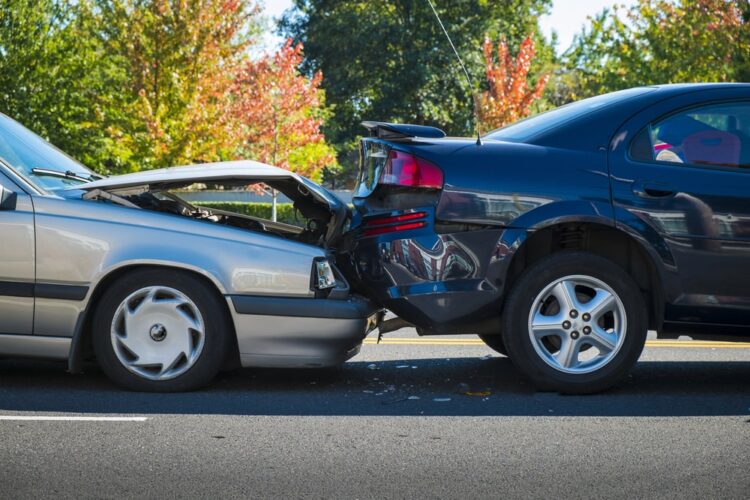
Rear-end collisions happen constantly on Florida roads. You’ve probably seen one. Maybe you’ve been in one. These crashes occur when one vehicle slams into another from behind, and the injuries can range from relatively minor whiplash to something far more serious. Understanding what causes these accidents might help you avoid one. Tuttle Larsen, P.A. represents people throughout Florida who’ve been injured in traffic accidents. We handle the insurance negotiations and file lawsuits when necessary so you can focus on getting better. Our team understands how these crashes turn your life upside down, and we work to secure compensation that actually reflects what you’re going through.
Distracted Driving Remains The Leading Factor
People can’t seem to put their phones down. That’s the reality we’re dealing with now. When drivers take their eyes off the road to text, adjust the radio, grab something from the backseat, or check their phone, they’re creating danger for everyone around them. You don’t notice brake lights when you’re not looking. You can’t react to slowing traffic if you’re distracted. Think about this. A driver going 55 mph covers the length of a football field in about five seconds. That’s how much ground you cover while glancing at your phone. It’s plenty of distance to crash into a stopped vehicle. Many people who get hit by distracted drivers don’t realize how badly they’re hurt right away. Neck pain might not show up until the next day. Headaches can develop hours after the crash. Back problems sometimes take even longer to surface. When these injuries start affecting your ability to work or enjoy your life, an Indian River County car accident lawyer can help you figure out what compensation you’re entitled to receive.
Following Too Closely Creates No Room For Error
Tailgating causes a lot of rear-end accidents. It’s simple math, really. When you follow too closely, there’s no space to react if the car ahead stops suddenly. Several things affect how much distance you need:
- How fast you’re going
- Whether the road is wet or dry
- Visibility conditions
- The size and weight of your vehicle
The three-second rule works pretty well as a baseline. Pick a fixed object like a sign or tree. Count the seconds between when the car in front passes it and when you reach the same spot. Less than three seconds? You’re too close. Drivers who tailgate often say they didn’t have time to stop when the vehicle ahead braked. But Florida law doesn’t care much about that excuse. The rear driver is generally responsible for maintaining a safe distance. This legal presumption means the person who hit you from behind typically bears liability for what happened.
Speed Makes Everything Worse
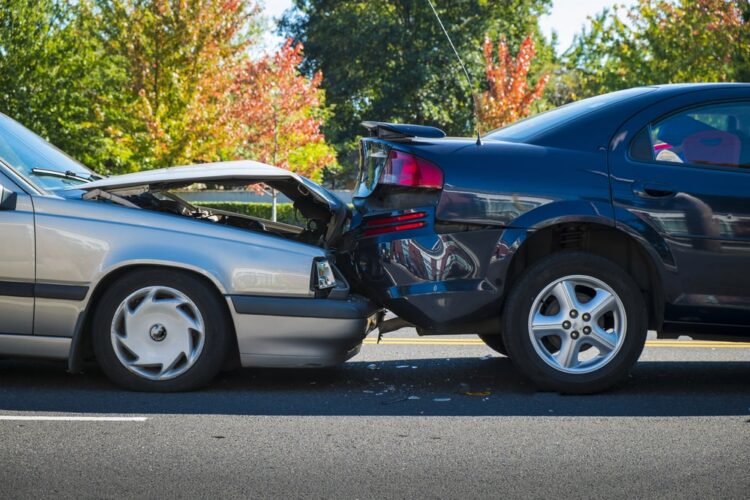
Going too fast reduces your reaction time. It also increases the force when you hit something. A driver traveling just 10 mph over the speed limit needs significantly more distance to stop than someone following the posted limit. This becomes really dangerous in school zones, residential areas, or anywhere people stop frequently. Higher speeds worsen injuries too. The faster your vehicle is moving when it strikes another car, the more energy is transferred to the people inside. These high-impact collisions often cause serious injuries that need extensive medical treatment and long recovery times.
Poor Weather Conditions Add Another Layer Of Risk
Rain makes roads slippery and extends how far you need to stop. Fog cuts visibility so you can’t see brake lights or stopped traffic until you’re much closer. Indian River County gets hammered by afternoon thunderstorms, especially in summer. Drivers who don’t adjust their speed and following distance for these conditions are asking for trouble. Bad weather contributes to crashes, sure. But it doesn’t get drivers off the hook. Florida law still requires you to drive safely, given the conditions you’re facing. If someone rear-ends you during a rainstorm because they were going too fast for wet roads, they’re still liable for your injuries.
Mechanical Failures And Impaired Driving
Brake problems cause accidents. So do worn tires and broken brake lights. A vehicle with failing brakes might not stop in time to avoid hitting the car ahead. If your brake lights aren’t working, the driver behind you gets no warning that you’re slowing down. Regular maintenance prevents a lot of these mechanical issues. Drivers are responsible for keeping their vehicles safe. When they don’t, and that failure causes a crash, it’s negligence. Alcohol and drugs slow everything down. Reaction time. Judgment. Processing speed. An impaired driver might not even notice traffic slowing ahead, or they’ll misjudge how much distance they need to stop. These crashes often happen at higher speeds because the impaired driver doesn’t brake at all, or brakes way too late.
Getting Help After A Rear-End Collision
You’ve been hit from behind, and now you’re dealing with injuries, medical bills, and missed work. The pain isn’t going away as quickly as you’d hoped. Meanwhile, the insurance company is calling with a settlement offer that seems low. The aftermath of a rear-end collision can feel overwhelming. Insurance adjusters aren’t on your side, no matter how friendly they sound. An Indian River County car accident lawyer can evaluate what happened, gather the evidence you need, and fight for the compensation you deserve. Reach out to discuss your situation and learn what options you have.


January 15, 2026
Florida Pool Accident Liability Rules
Swimming pools are everywhere in Florida. They’re also one of the biggest liability headaches a homeowner can face. When someone gets hurt in or around your pool, the legal fallout can be devastating. Florida law doesn’t mess around here. It imposes specific duties on property owners to prevent accidents, especially when kids are involved.
Understanding The Attractive Nuisance Doctrine
Here’s something that surprises most homeowners. Florida recognizes what’s called the attractive nuisance doctrine. This legal principle means you can be held responsible when hazardous conditions on your property attract children who don’t have the maturity to recognize danger. Swimming pools? They’re the textbook example. Under this doctrine, you might face liability even if a child was trespassing when the accident happened. The law acknowledges a simple reality: pools naturally draw kids in. Property owners must take reasonable steps to keep them out.
Florida’s Pool Safety Requirements
State law spells out specific safety measures for residential pools. These aren’t suggestions. They’re requirements are designed to reduce drowning risks and protect everyone, whether they’re guests or uninvited visitors.
You’ve got to maintain at least one of these barriers:
- A fence at least four feet high surrounding the pool with self-closing, self-latching gates
- A pool safety cover that meets ASTM standards
- An enclosure that fully surrounds the pool area with compliant doors and locks
- Alarms on all doors and windows, providing direct pool access
Failing to meet these requirements creates more than just safety hazards. It builds the foundation for negligence claims when accidents happen.
When Homeowners Face Liability
A Melbourne premises liability lawyer will tell you that your responsibility extends well beyond what the statutes require. Courts look at whether property owners took reasonable precautions based on the specific circumstances they faced. Liability typically arises in these situations:
- Inadequate fencing or broken gate latches that allow unauthorized access
- Failure to supervise children during pool parties or gatherings
- Poor maintenance leading to slippery surfaces, broken ladders, or malfunctioning drains
- Lack of proper lighting around the pool area
- Chemical imbalances can cause skin injuries or respiratory problems
The legal standard focuses on foreseeability. Would a reasonable person have anticipated the risk? If so, the homeowner probably had a duty to address it.
Guest Status Matters In Pool Accident Cases
Florida law treats different categories of visitors differently. A guest receives the highest level of protection under the law. You must warn these individuals about known hazards and maintain reasonably safe conditions. Social guests and licensees get slightly less protection, but you still can’t willfully or wantonly cause them harm. Even with trespassers, the attractive nuisance doctrine creates liability when children are involved.
Comparative Negligence And Pool Injuries
Florida follows a pure comparative negligence system. What does that mean for you? An injured person can still recover damages even if they were partially at fault for what happened. Their compensation just gets reduced proportionally. Say a guest was injured while diving into a clearly marked shallow area. A court might assign them 40% of the fault. Their total recovery would be reduced by that percentage. This system applies to pool accidents the same way it applies to any other premises liability claim.
Insurance Considerations
Most homeowner’s insurance policies cover pool-related injuries. But coverage limits vary dramatically from policy to policy. High-value claims can quickly blow past standard policy limits, leaving you personally on the hook for the difference. That’s not a position anyone wants to be in. Umbrella policies provide additional liability coverage. They’re particularly important if you own a pool. Insurance companies also typically require proof of compliant safety barriers before they’ll issue or renew your policy.
Proving Negligence In Pool Accident Claims
Injured parties must demonstrate that you breached your duty of care. This requires showing that you knew or should have known about the dangerous condition and failed to fix it or provide adequate warning. Documentation becomes everything in these cases. Photographs of the pool area matter. Maintenance records matter. Witness statements matter. A Melbourne premises liability lawyer gathers this evidence to build a comprehensive case that addresses every angle.
Taking Action After A Pool Accident
Pool accidents cause life-altering injuries. Near-drownings. Slip and falls resulting in traumatic brain injuries or spinal damage. The consequences ripple outward for years. Property owners face significant exposure in these situations. Victims need compensation for medical bills, lost wages, and ongoing treatment that may never end. If you’ve been injured in a swimming pool accident or you’re facing a claim as a property owner, Tuttle Larsen, P.A. can help you understand your rights and options under Florida law. Contact our firm to discuss what happened and where you go from here.

January 8, 2026
Boater Injured In Melbourne Causeway Crash
Shortly before sunset on Sunday, October 12, emergency crews responded to a serious boating incident near the Melbourne Causeway after a vessel struck a bridge pylon. Incidents like this often raise questions for families about safety on local waterways and when it may be appropriate to speak with our Melbourne, FL boating accident lawyer following sudden injuries.
According to reports, the collision occurred when a boater hit the south side pylon of the Melbourne Causeway bridge. Multiple agencies responded, including Brevard County Fire Rescue, the Florida Fish and Wildlife Conservation Commission, Melbourne Fire Department, Melbourne Police Department, and the Indialantic Fire Department. The coordinated response highlights how quickly boating emergencies can escalate, especially near bridges and high-traffic waterways.
Rescue efforts required specialized equipment. The Indialantic Fire Department used a jet ski to reach the injured boater and safely transport him to the flooded boat ramps at Front Street Park. From there, Brevard County Fire Rescue transported the individual by ambulance to Holmes Regional Medical Center for treatment.
Authorities reported that the boater suffered a serious head injury. Officials also noted the possibility that the individual experienced a medical emergency prior to the collision, which may have contributed to the crash. After the rescue, crews removed the vessel from the bridge and relocated it to Front Street Park to clear the area and prevent additional hazards.
While the investigation continues, the incident serves as a reminder that boating accidents can happen suddenly and may involve multiple contributing factors, including health issues, visibility conditions near sunset, and navigational challenges around bridges and causeways.
How Boating Accident Cases May Be Handled
Serious boating injuries often extend beyond the initial emergency response. Our boat accident lawyers regularly assist injured boaters and their families in evaluating what happened and identifying potential legal options. Even when a medical emergency is suspected, questions may remain about vessel operation, safety equipment, and waterway conditions.
Our maritime accident lawyers often review incidents involving collisions with fixed objects, such as bridge pylons, docks, or channel markers. These cases may involve complicated fact patterns, including compliance with boating regulations and whether proper lookout and speed were maintained. Injuries involving head trauma can also have long-term impacts that deserve careful legal and medical consideration.
In situations where rescue equipment like jet skis is involved, our jet ski accident lawyers may examine how the emergency response unfolded and whether any additional injuries occurred during transport. We often address cases involving a wide range of vessels, from small recreational boats to larger craft operating in busy waterways.
For individuals operating larger vessels, our marine injury lawyers understand how navigational challenges, mechanical issues, and operator experience can all play a role in causing or worsening an accident. Each boating case is unique, and determining responsibility often requires a thorough review of reports, witness statements, and available evidence.
Working with our Melbourne boating accident attorneys can help injured boaters and their families better understand how Florida law applies to water-related injuries. Legal guidance may assist with insurance claims, medical cost recovery, and evaluating next steps after a serious incident on the water.
At Tuttle Larsen, P.A., we are committed to helping clients make sense of difficult situations following unexpected boating accidents. If you or a loved one were injured on the water, speaking with our Melbourne boating accident lawyers may provide clarity and direction. Having been recognized as Rising Stars by Super Lawyers, our clients see that we provide exceptional legal representation in every case. And with free consultations, they can get all of their questions answered right off the bat. For those looking for trusted legal support after an accident, contact Tuttle Larsen, P.A. to discuss your situation and learn how our team can help you move forward.
